The word luxury gets used loosely in skincare. A heavy glass bottle, a quiet label, a price that nudges past a hundred — none of these, on their own, make a body oil luxurious. The real definition is much simpler, and much harder to fake: a luxury body oil is one where every choice along the way, from the seed to the bottle, has been made carefully.
This guide is for anyone who wants to understand what they are actually paying for. We will look at how the oil is extracted, what 'virgin' really means on a label, and why sourcing — the part you rarely see — is often the most important factor of all.
What Defines A Luxury Body Oil
A luxury body oil is defined by three things working together: how the oil is extracted, the purity of its ingredients, and the integrity of where it comes from. Remove any one of these and what is left is a premium-priced product, not a luxurious one.
- Cold-pressed extraction that protects the oil's natural compounds.
- Virgin, unrefined ingredients — nothing bleached, deodorised, or stripped.
- Sourcing you can trace back to a specific place and the people growing it.
Cold-Pressed Extraction, Explained
Most body oils on a shelf are made with heat or solvents. Both methods are fast and cheap. Both also damage the delicate aromatic compounds, antioxidants, and fatty acids that give a plant oil its character. What you get is a clear, neutral liquid that pours well and lasts a long time — and feels like very little on the skin.
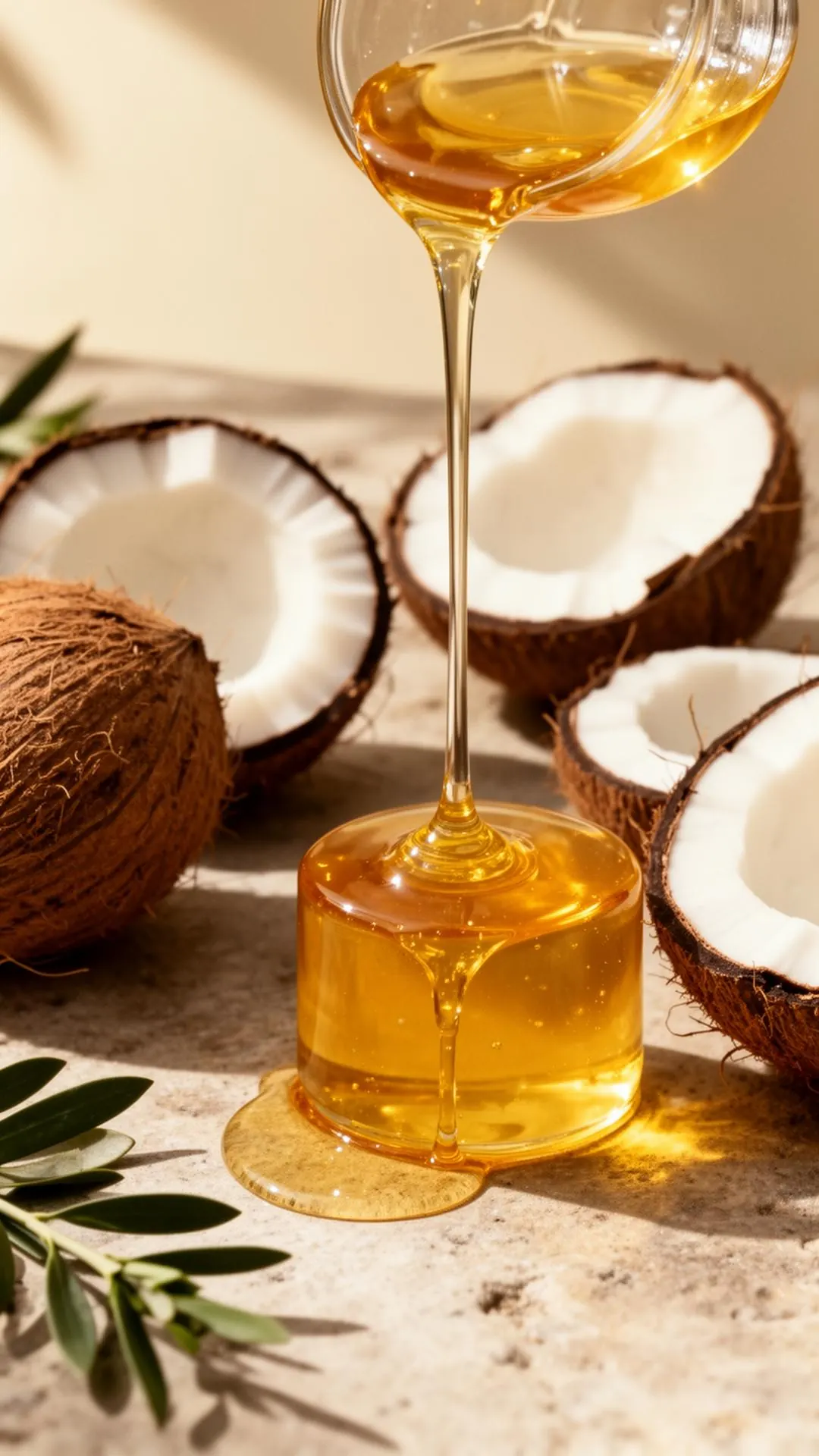
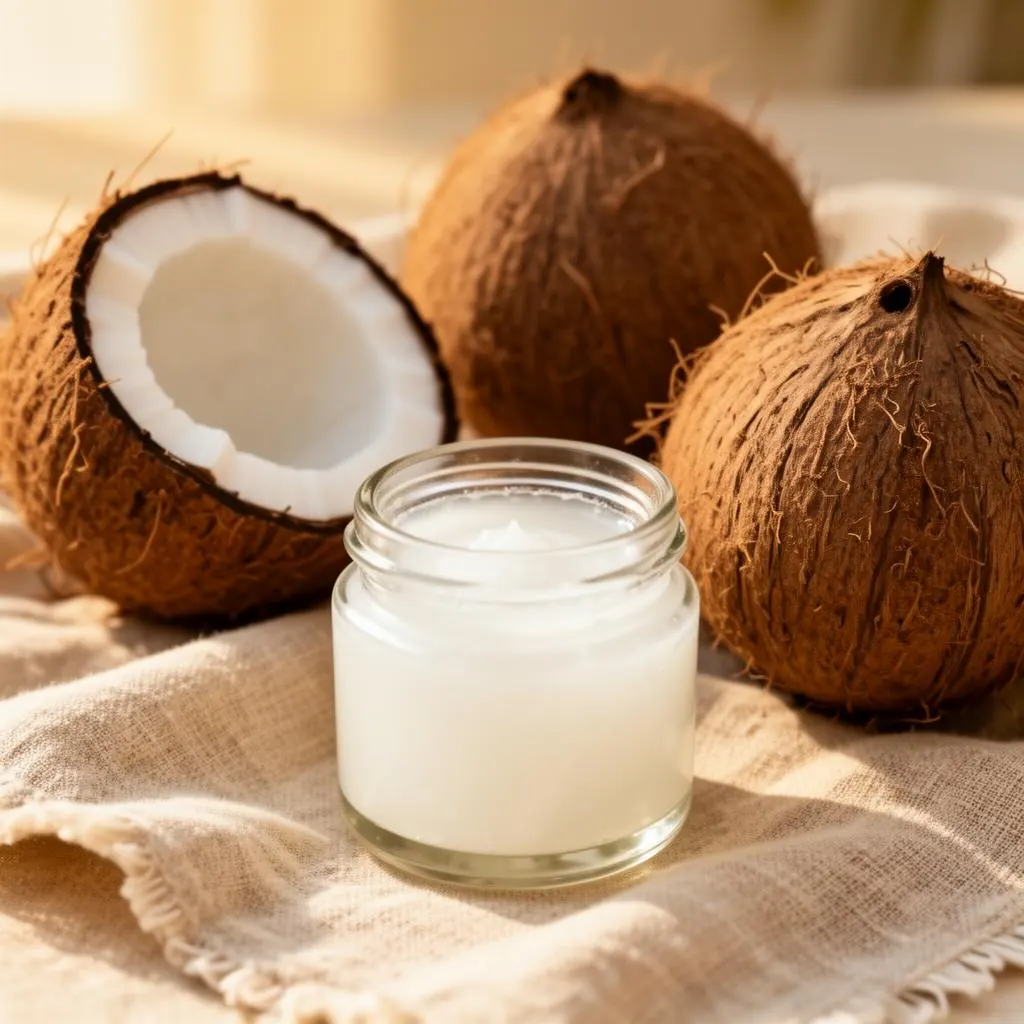
Cold-pressing keeps temperatures low throughout the extraction. The fruit or seed is mechanically pressed, and the oil is filtered without chemical processing. The result is an oil that still smells like its source, still carries its colour, and still does what nature designed it to do.
Why The Method Shows Up On The Skin
Cold-pressed oils absorb differently. They tend to feel lighter, sink in more evenly, and leave skin soft rather than slick. The aroma is gentle and short-lived — the way a fresh fruit smells, not the way a fragrance does.
Virgin And Unrefined: Reading The Label
'Virgin' on a body oil label means the oil has been extracted from the first pressing of fresh, raw material, with no further processing. 'Unrefined' means the oil has not been bleached, deodorised, or chemically altered after pressing. Together, these two words are the clearest signal that what is in the bottle is close to what came out of the plant.
Refined oils, by contrast, are often labelled 'RBD' — refined, bleached, deodorised. They are useful in cooking and in industrial skincare because they are neutral and shelf-stable. They are not, however, what you want carrying botanicals into your skin during a ritual.
Words To Look For
- Virgin or extra virgin.
- Cold-pressed or first-pressed.
- Unrefined.
- A named origin — a region, an island, a farm.
Words That Should Make You Pause
- Refined, bleached, deodorised (RBD).
- Fractionated — useful in some products, but a step away from whole.
- Fragrance or parfum, without a botanical source named.
Ethical Sourcing: The Part You Rarely See
An oil can be cold-pressed and virgin and still come from a supply chain that pays growers poorly, depletes the land, or buries a dozen middlemen between the tree and the bottle. Sourcing is the quiet part of luxury — the part that does not appear on a marketing page, but shapes everything about the product.
Ethical sourcing means knowing where the raw material comes from, who grows it, and how the land is treated. It usually means working in small batches with named partners rather than buying anonymous commodity oil through a broker.
Questions Worth Asking A Brand
- Where is the primary ingredient grown, specifically?
- Who presses the oil, and how are they paid?
- Is the oil made in small batches, or sourced from a commodity supplier?
- What happens to the land and the growers between harvests?
What Luxury Body Oils Are Not
Luxury is not packaging. A beautiful bottle around a refined, fragranced oil is still a refined, fragranced oil. Luxury is also not novelty — a long ingredient list with a dozen exotic-sounding extracts is rarely more effective than two or three excellent ones used at meaningful concentrations.
What looks like restraint on a luxury label — fewer ingredients, fewer claims, a quieter design — is usually the result of better decisions earlier in the process.
How To Choose Well
If you take only one thing from this guide, take this: choose a body oil where you can answer three questions before you buy it.
- How is the oil extracted? Look for cold-pressed.
- What state are the ingredients in? Look for virgin and unrefined.
- Where is it from, and who made it? Look for a named place and a named partner.
A bottle that can answer all three is luxurious in the way that matters — not because of what it costs, but because of the care that brought it to you.
The Bottom Line
Luxury body oil is less about price and packaging than about process. Cold-pressed extraction, virgin ingredients, and traceable sourcing are the three foundations. Everything else is decoration.
Choose oils that tell you where they came from. Your skin, and the people who grew the plants, will both be better for it.